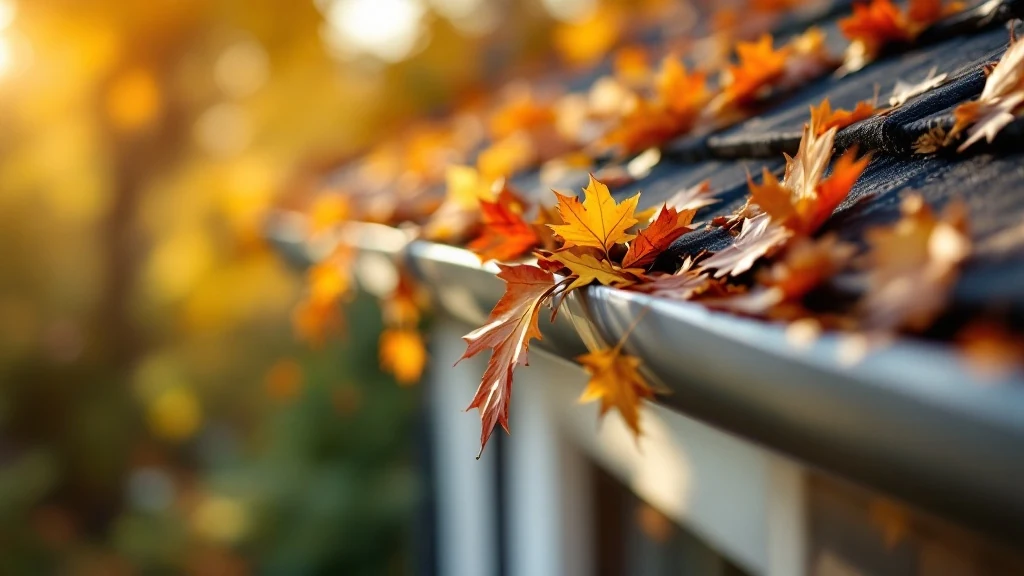
In Baton Rouge, the two best times to clean your gutters are late fall, once the leaves and pine straw have dropped, and late spring, before the summer storms roll in. Homes under heavy tree cover usually need a quick check in between.
That is the short version. The longer answer is worth a few minutes, because timing matters more here than in most of the country, and getting it wrong is how a clear gutter in April becomes an overflowing one in July.
Why timing matters more in Baton Rouge
Two things make this a wetter, messier place for gutters than most. First, the rain. Baton Rouge gets more than 60 inches a year (NOAA / U.S. Climate Data), and the heaviest of it arrives in summer (weather-and-climate.com (1990-2020)), right when an afternoon thunderstorm can drop an inch in an hour.
Second, the trees. Pine, water oak, and live oak shed needles, catkins, and leaves across most of the year, not in one tidy autumn. A gutter here rarely gets a long off-season to stay clear on its own.
Put those together and the goal is simple: have the gutters clean and draining before the big rain arrives, not scrambling to fix an overflow in the middle of a storm.
A Baton Rouge cleaning calendar
Here is how the year breaks down for most local homes.
Late winter / early spring
Clear out what winter dropped and check the pitch before the spring rains build.
Late spring
The important one. Get everything flowing before summer storms and hurricane season arrive.
Summer
A light check after any heavy storm. Watch for overflow, the first sign of a fresh clog.
Late fall
The second full cleaning, once the oaks and pines have finished dropping for the year.
Treat late spring and late fall as the two appointments you keep no matter what. The winter and summer looks are lighter, meant to catch anything the calendar missed.
Two cleanings that matter most
Late spring, before storm season
This is the one to protect. You want the gutters wide open before June, when daily storms and the start of hurricane season put them to the test. A gutter that is even half-clogged cannot move a summer downpour, and overflow is where the damage starts.
Late fall, after the drop
The second appointment comes once the oaks and pines have finished shedding. Clearing them then sets the system up for winter rain and keeps wet debris from sitting and rotting through the cold months.
Storm and hurricane season: the deadline you cannot miss
If you remember one date, make it this: gutters clean before hurricane season, not during it.
When a tropical system parks over the parish and drops rain by the foot, a blocked gutter stops being a maintenance chore and becomes a flooding one. Water sheets over the sides, pools against the foundation, and works its way inside. The time to handle that is the calm week before, not the day the forecast turns.
Our schedule fills up fast when a storm is coming, so calling ahead gets you a spot before the rush of last-minute calls.
How your trees change the schedule
The calendar above is the baseline. Your yard adjusts it.
If pines or water oaks hang directly over the roof, add a mid-summer check to the two main cleanings. Those trees shed enough in the warm months that a gutter cleared in spring can be packed again by midseason.
Homes with few overhanging trees can often stick to the two main appointments and leave out the in-between looks.
Signs you have already waited too long
The calendar is a guide, but the gutters will tell you directly when they are overdue. Do not wait for the next scheduled date if you see any of these:
- Water pouring over the front edge during an ordinary rain.
- Seedlings or a green fuzz of growth sprouting from the trough.
- A visible sag from the weight of wet debris.
- Streaks or peeling paint on the fascia board behind the gutter.
Booking around the weather
The best habit is to schedule the two main cleanings ahead of the rush, in late spring and late fall, rather than reacting to a storm. It is cheaper, it is easier to get on our schedule, and it means the gutters are ready before the weather tests them, which is the whole point of timing it at all.
Sources
Related gutter services in Baton Rouge
Frequently Asked Questions
How often should I clean my gutters in Baton Rouge?
Twice a year suits most homes, late spring and late fall. If pine or oak hangs over the roof, add a mid-summer check, since those trees shed across the warm months.
Can I clean them in the middle of winter?
You can, and a quick winter look is fine. The two windows that matter most are late spring, before the storms, and late fall, after the trees finish dropping.
Does heavy rain just clean the gutters out on its own?
No, that is a common myth. Rain packs wet debris down tighter and floats it into the downspout, where it clogs. Only clearing the trough cleans it.
Is there a single best month?
Roughly May and November for most local homes, but adjust for your trees. The rule is simpler than a date: clean before the summer storms and again after the fall drop.
Do I still need to time it if I have gutter guards?
Yes, just lighter. Guards keep the big debris out, but fine grit and pollen still collect on top, so a rinse and a check before storm season keep them flowing.
Need gutter cleaning in Baton Rouge? Get a free estimate today.
📞 225-529-1427